Smart TV Remote Control APP
- 3.9
- Rating
- 5.00M
- Installs
- Free
- Price
 Analysis by App-foxy
I have always liked having a remote control on my phone for those small moments when the physical controller disappears between sofa cushions or stops responding at the worst possible time. Smart TV Remote Control APP, developed by Vsray Technology, takes that simple idea and places it in the tools category, with a clear focus on controlling a television from a mobile device. After spending time with it, I see it as a practical convenience app rather than something I would leave open all day.
The basic appeal is easy to understand: your phone is usually nearby, while the TV remote may be across the room, out of batteries, or buried under other things. The app is free to install and suitable for everyone, which makes it approachable for households that want a straightforward alternative. It has also reached over one million installs and holds a 4.0 average from around eight thousand ratings, so it is not an obscure experiment with no real user base.
How the connection shapes everyday control
The first thing I would tell a friend is that the quality of the experience depends heavily on the connection between the phone and television. A remote app is not magic simply because it runs on a smartphone. It still needs a compatible communication path, and the usefulness of the app is tied to whether the phone and TV can recognize each other properly. That makes the initial setup more important than the short store description might suggest.
You May Also Like

 Blood Strike: 2.5 Anniversary
Blood Strike’s Loadouts Turn Every Drop Into a Tactical Gamble
A close look at Blood Strike’s custom loadouts: how fast access to signature weapons reshapes its battle royale rhythm, rewards preparation, and narrows the gap between fights.

 Pandora - Music & Podcasts
Pandora’s Music Is Easy to Start, but Harder to Recover
Pandora’s strength is its low-effort path from a seed to a station. Its weak spot is how much confidence it asks you to place in connection, setup, and quiet recovery.

 8 Ball Pool
 Is Built on Rivalries, Rematches, and Routine
A close look at the rivalries, rematches, shared routines, and unanswered safety questions that turn a quick pool match into a persistent mobile community.

 Samsung Music
’s Quiet Strength Is Playing What You Already Own
Its reach comes less from spectacle than from dependable access to a personal library. That simplicity is both the app’s strongest retention engine and its ceiling.

 AccuWeather: Weather Radar
AccuWeather Review: A Quick, Clear Forecast for Everyday Decisions
For everyday plans, the best forecast is the one you can understand quickly. AccuWeather makes rain timing, radar, and local conditions easy to act on, with a few trade-offs.

 Hill Climb Racing
Why Hill Climb Racing Still Turns Crashes Into One More Run
A tiny car, a bumpy hill and one more upgrade: Hill Climb Racing keeps resurfacing because its simple chaos makes every near-miss feel personal.
More From Our News Desk



In my experience, the best moment to set it up is when the original remote is still available. That lets you check the TV and prepare the connection without being locked out of menus or input settings. If you wait until the physical remote has vanished, the app may not be able to solve every setup problem by itself. This is one of the less obvious trade-offs: a phone remote is most valuable during an emergency, but it is easiest to prepare before the emergency happens.
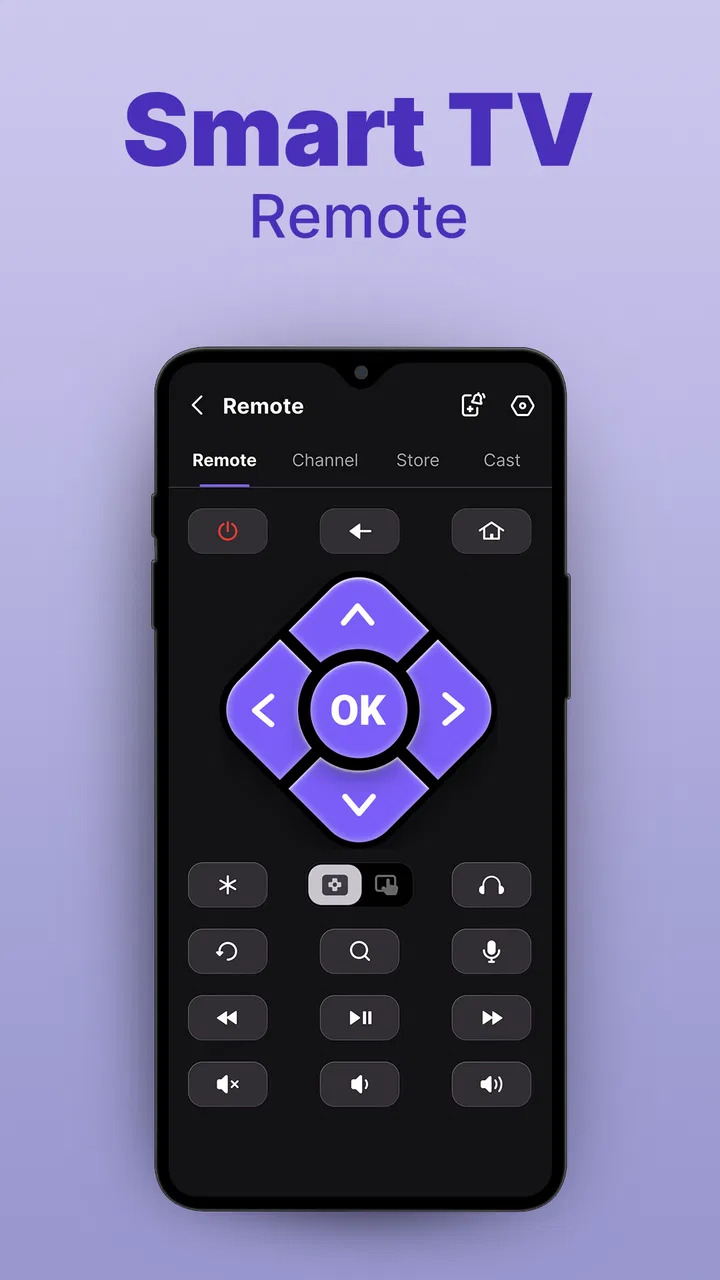
Once the connection is working, the app is useful for ordinary actions such as adjusting the volume, changing channels, or navigating the television interface. I found the phone format familiar because touch controls are already part of my daily routine. Still, a touchscreen does not provide the physical feedback of a real remote. With a traditional controller, I can press buttons without looking. With a phone, I naturally glance down more often, especially when navigating several menus.
That difference matters during a film or a live broadcast. If I only need to lower the volume quickly, using the phone is convenient. If I need to move through a long settings screen, the physical remote may feel more direct. The app works best when I treat it as a flexible replacement for common commands, not automatically as a perfect copy of every dedicated controller.
Why network conditions matter more than expected
A stable home connection can make the app feel immediate, while a busy or poorly arranged network can make the same action feel uncertain. Delayed responses are especially noticeable when I tap volume repeatedly or move through a menu. I recommend waiting briefly after a command rather than pressing the same control several times. Otherwise, several delayed actions may arrive together and push the TV further than intended.
This is also why I would not judge the app only from a first attempt in a crowded room or during a temporary connection problem. Before deciding that it is unreliable, I would close and reopen the connection process, check that the phone is using the intended home network, and confirm that the television is awake and ready to receive commands. Those simple checks often matter more than changing random settings.
There is a useful household workflow here. I would install the app, connect it while standing near the TV, test volume and navigation, and then keep the physical remote in a known place as a backup. That arrangement avoids the common mistake of treating a phone remote as the only possible way to recover control. The app adds convenience; it does not remove the need for sensible preparation.
Using it around the house and away from the sofa
The most realistic use case for me is not dramatic. Imagine starting a program while cooking, then realizing the volume is too loud. Instead of touching a wet or greasy physical remote, I can use the phone already beside me, make the adjustment, and return to what I was doing. The same applies when the TV is mounted across the room and I want to change the input without walking over to find the controller.
It can also help in a shared home where the remote is constantly being moved. A phone is more personal, so I am less likely to lose track of it. That makes the app appealing for people who already keep their phone in hand while watching television. It is less compelling for someone who prefers a dedicated controller and finds phone screens distracting.
Another practical situation is hosting visitors. A guest may not know which physical button changes the input or opens the menu, while a familiar phone interface can be easier to understand. On the other hand, handing a phone to someone else is not always comfortable. I would avoid making the app the main control method for young children or guests who might accidentally open other parts of the phone.
Travel is a more complicated case. The app may be useful when a television and phone can establish the required connection, but hotel rooms, rented apartments, and guest networks often behave differently from a private home network. I would not install it expecting it to solve every television setup away from home. For travel, I would consider it a useful possibility rather than a guarantee, and I would still pack a small physical solution if controlling the TV is important.
What to do when the first attempt fails
Connection failures are the main source of frustration with this type of app. When the TV does not appear, I would begin with the basics: check that both devices are active, make sure the phone is not connected through a different network path, and keep the devices reasonably close during the first pairing attempt. I would also avoid testing while the television is changing inputs or waking from standby, since that can make the result harder to interpret.
If the app connects but commands do not seem to work, I would send one simple command and wait. Volume is a better test than navigating a complicated menu because the result is obvious. If that works, I would move to channel or input controls. This step-by-step approach helps separate a connection issue from a particular control that the TV handles differently.
Restarting the app and television can also be worthwhile, but I would use it as a deliberate recovery step rather than repeatedly tapping everything. The goal is to create a clean test: reopen the app, select the intended TV, try one command, and observe the response. If the connection repeatedly drops, the physical remote remains the sensible fallback. The app is most dependable when it is treated as a prepared backup, not as a rescue tool that must work without any setup.
There is another small recovery habit I recommend: do not change several phone or TV settings at once. If I alter network options, permissions, television menus, and app choices together, I no longer know what fixed the problem. A slower sequence is less frustrating and gives me a clearer idea of whether the issue is temporary or fundamental.
Phone habits, battery use, and personal data
Because this is a remote control rather than a streaming service, I would use it in short bursts. I open it when I need a command, make the change, and close it again. That approach is better for battery discipline and keeps the phone from becoming another glowing screen during a movie. It also reduces the chance of accidentally touching unrelated phone controls while I am watching.
I pay attention to connectivity for another reason: a remote app should not encourage careless use of public networks. At home, I am comfortable testing it on my regular private connection. On a shared or public network, I would be more cautious and would avoid assuming that every environment is equally appropriate. This is not a reason to reject the app, but it is a reason to use it thoughtfully rather than connecting devices indiscriminately.
I would also review the app’s access requests during installation and only enable what is necessary for the functions I intend to use. The app’s purpose is narrow, so my own habit is to keep its role narrow too. I do not need to leave it running constantly, and I would remove it if I stopped using it rather than letting unused tools accumulate on the phone.
The free entry point makes trying it easy, but the app includes optional in-app purchases priced from $3.99 to $29.99 per item. I would test the basic experience before paying for anything. The right question is not simply whether an upgrade exists, but whether the free controls already solve the specific problem I have. If I only need occasional volume or input changes, spending money may not add enough value. Someone who uses phone-based TV control frequently may evaluate those options differently.
Who should choose it over a usual remote?
I think this app is a good match for people who regularly misplace physical remotes, prefer keeping household tools on their phone, or want a convenient second control method. It is especially sensible for a living room where the television is used often and the phone is usually within reach. The free price also lowers the risk of trying it for a few days and deciding whether it fits the household.
It is less suitable for someone who wants guaranteed control without depending on a compatible connection. A dedicated remote remains better for instant button presses, tactile navigation, and situations where the phone is low on battery or being used for something else. People who dislike looking at a screen while watching TV may also find the app less natural than a physical controller.
Compared with a manufacturer-specific remote app, this general tool may be attractive to someone who wants a simple starting point rather than a broader ecosystem. A brand-focused alternative can be preferable when a television offers unusual functions, detailed settings, or tightly integrated smart features. In contrast, a general remote app makes more sense when the goal is everyday control and the TV responds well to the available connection.
I would also distinguish it from casting or streaming apps. Those are designed around sending content from the phone, while this app is centered on controlling the television. If my main need is to browse videos or play phone content on the TV, I would choose a dedicated casting solution. If I simply want to change volume or navigate the TV from my handset, this app is closer to the problem I am trying to solve.
What the current release means for new users
The app was released on August 20, 2024, and the current version is 2.1.2. For me, that makes it worth checking the version shown on the device before troubleshooting, particularly if a connection behaves differently after an update. I would keep expectations realistic: a newer version can improve compatibility or fix problems, but it cannot make every television and network arrangement identical.
Vsray Technology has positioned the product as a tool rather than an entertainment platform, and that focus is reflected in how I use it. I do not open it to explore content or spend time customizing a profile. I open it with a specific task in mind, connect to the television, and expect a quick result. That narrow purpose is a strength when the connection works, because there is little unnecessary activity between launching the app and sending a command.
The Everyone age rating also makes it easy to consider for a shared family device, although I would still supervise how children use any phone connected to household equipment. The rating does not change the practical issue that a child can accidentally alter inputs, volume, or settings. A family should decide whether independent access is helpful before treating the phone as a communal remote.
My connectivity verdict
After weighing the convenience against the connection dependence, I see Smart TV Remote Control APP as a useful secondary remote with a clear everyday purpose. It can save a trip across the room, replace a misplaced controller for basic tasks, and fit naturally into routines where the phone is already nearby. Its strongest quality is not that it transforms television viewing; it is that it removes a small but recurring annoyance.
My recommendation comes with a condition: set it up before you urgently need it, test a few essential commands, and keep a backup method available. That preparation turns network uncertainty into a manageable limitation. Without it, a failed connection can be especially irritating because the app is being asked to solve the exact problem that prevented its setup.
For a free tools app with over one million installs, an Everyone rating, and a 4.0 average, it is a reasonable option to try if your TV and home connection cooperate. I would start with the free experience, use it in short sessions, and avoid paying until I knew the controls were genuinely useful in my home. If you want tactile certainty or advanced television-specific functions, stay with the original remote or look for a manufacturer-focused alternative. If you want a convenient phone-based backup for ordinary TV commands, this is a practical choice worth testing.
FAQs for Smart TV Remote Control APP
01What devices are compatible with the Smart TV Remote Control App?
The Smart TV Remote Control App is compatible with most modern smart TVs, including popular brands such as Samsung, LG, Sony, and Panasonic. Additionally, it supports both Android and iOS devices, ensuring that users can easily integrate their smartphones or tablets with their smart TVs for seamless control.
02How do I connect my smartphone to my TV using the app?
To connect your smartphone to your TV using the Smart TV Remote Control App, ensure both devices are on the same Wi-Fi network. Open the app, and it will automatically search for compatible TVs. Once your TV is detected, select it from the list to establish a connection, allowing you to control your TV directly from your phone.
03Does the app support voice commands?
Yes, the Smart TV Remote Control App supports voice commands for enhanced convenience. Users can use their smartphone's built-in voice assistant to issue commands such as changing channels, adjusting volume, or searching for content, making the remote control experience more intuitive and hands-free.
04Is there a subscription fee or in-app purchases?
The Smart TV Remote Control App offers a free version with basic features. However, a premium version is available through a subscription, providing additional functionalities such as an ad-free experience, customizable remote layouts, and advanced settings for personalized control. In-app purchases may also be available for add-ons.
05What should I do if the app isn't working with my TV?
If the app isn't working with your TV, first ensure that both devices are connected to the same Wi-Fi network. Restart the app and your TV, and check for any available updates. If issues persist, consult the app’s support section or contact customer support for troubleshooting assistance.
Pros
- Easy setup with most smart TVs.
- User-friendly interface for quick navigation.
- Supports voice commands for convenience.
- Customizable remote buttons.
- Compatible with multiple TV brands.
Cons
- Ads can be intrusive at times.
- Limited features in the free version.
- Occasional connectivity issues.
- Requires Wi-Fi for full functionality.
- May not support older TV models.

Smart TV Remote Control APP
Gallery